In the glass
Portuguese wine at the table
What Portuguese wine might mean at a Lisbon dinner: the regions, the young white from the north, Douro reds and why port is not the only name worth knowing.
Reserve your cabaret table ↗Quick answer
Portuguese wines are included with the cabaret dinner, and the ticket page calls them unlimited without naming which ones. So you cannot know in advance what will be in your glass, but you can learn enough to ask. The names worth knowing are the Douro, Vinho Verde, Dão and Alentejo, along with port, which is often served with dessert but is not promised here.
What the ticket says about wine
The promise has two parts: a welcome glass of Portuguese wine, and then Portuguese wines through the meal, which the ticket page calls unlimited. No producer, region or colour is named. That is normal for a dinner of this kind, and it means the sensible approach is curiosity rather than expectation. Ask what is being poured and where it comes from. Staff who serve the same wines every night will usually tell you, and it gives you a name to look for in a Lisbon shop the following day.
A very old habit
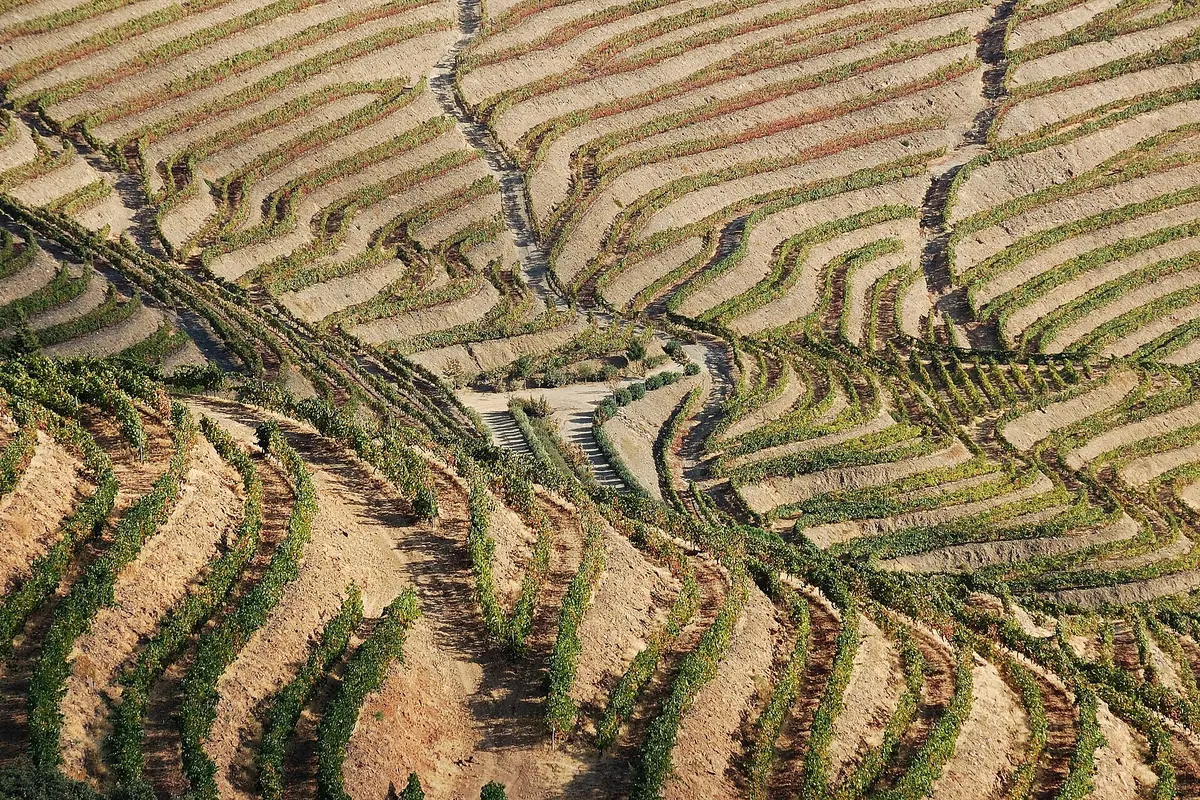
Wine came to what is now Portugal with Romans and other ancient Mediterranean traders, and Portugal was exporting to Rome under the empire. Modern exports grew from trade with England after the Methuen Treaty of 1703. In 1758, under the Marquis of Pombal, the Douro became one of the first demarcated wine regions in the world. Two Portuguese wine landscapes are now UNESCO World Heritage: the Douro Valley, and the vineyards of Pico island in the Azores.
Douro, red and otherwise
The Douro Valley in the north gives both port and table wine, and its red varieties include Touriga Nacional, Tinta Roriz and Touriga Franca. Douro wine comes from the same region as port, and it is the name you are most likely to recognise on a Lisbon wine list. Expect a good range in style. If you are served something dark and structured with your main course and it pleases you, the Douro is a sensible first guess, and a sensible first question for whoever is pouring.
Vinho Verde
The name means green wine, in the sense of young rather than green in colour. It comes from a protected region in the far north of the country, with wines released three to six months after the harvest, and it can be red, white or rosé. Many have a slight fizz, which producers kept because drinkers liked it. Alvarinho and Loureiro are among the white grapes of the region. If a welcome glass tastes fresh and light with a little prickle on the tongue, this is the first place to look.
Dão and Alentejo
Dão was demarcated in 1908, and its wines come from a mountainous, temperate area around the Mondego and Dão rivers. Touriga Nacional grows there too, alongside the white Encruzado. Alentejo, in the south, is a landscape of vast vineyards on rolling plains under strong sun, demarcated as a single region in 1998, and some of its producers still make wine in great clay pots as the Romans did. Either name would be a welcome answer when you ask what is in your glass.
Port, at the end
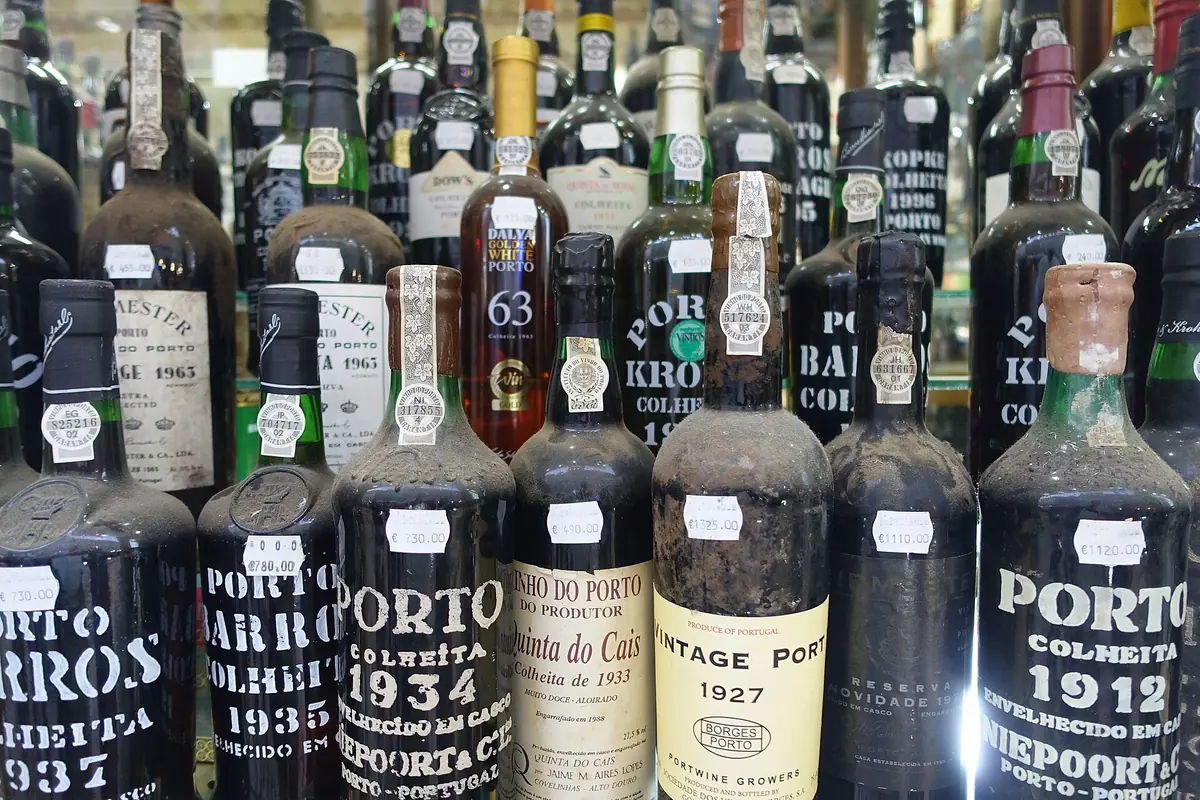
Port, the Douro's fortified wine, is typically a sweet red, often served with dessert, and usually between 19 and 22 percent alcohol. Ruby styles are younger, while tawnies age in barrel for longer. Nothing says that the dinner includes it, so do not count on a glass with your dessert. If you want to taste port properly, Lisbon's wine shops and bars make that easy on another day. After a long evening of table wine, that strength is also something to respect.
Pacing yourself
Unlimited is a generous word over two and a half hours, and it is not a target. Drink water alongside, let the food slow you down, and remember that you still have Lisbon's hills between you and your bed. A taxi or a ride-hail car is the obvious answer for getting home. If you do not drink, ask the venue before you book what is offered instead, since the ticket page does not say.
Sources